
2026 Interior Design Trends: A Complete Guide to What’s Shaping Homes This Year
2026 Interior Design Trends
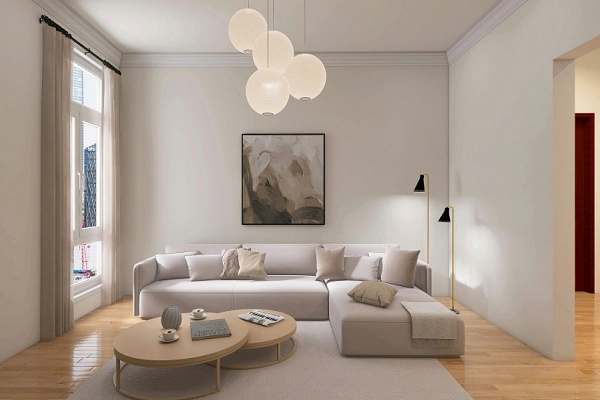
The world of 2026 interior design trends is rich, layered, and deeply intentional. After years of chasing minimalism and all-white interiors, homes are shifting toward warmth, personality, and a sense of lived-in comfort.
Whether you are renovating a single room or rethinking your entire space, understanding what is happening in the design world right now can help you make choices that feel both current and enduring.
This guide covers the most significant trends across furniture, color, materials, decor, and layout — drawing from leading designers, style publications, and real homes making waves in 2026. These trends are based on observations from recent design projects, publications, and evolving homeowner preferences.
1. Curved and Sculptural Furniture
One of the clearest shifts in residential interior design this year is the move away from sharp angles and rigid silhouettes. Curved sofas, rounded armchairs, circular dining tables, and arched architectural details are replacing the straight-lined aesthetic that dominated interiors for much of the past decade.
The appeal goes beyond looks. Organic shapes in furniture create a sense of softness and welcome — qualities that people are actively seeking in their living spaces. A curved velvet sofa in deep sage or warm terracotta can function as both comfortable seating and a sculptural focal point in any room.
This trend does not require a full redesign. A rounded coffee table or a circular accent table can immediately soften the overall feel of a room. Arched doorways and curved architectural openings also fall into this category, adding visual flow without the need for new furniture at all.
Spherical planters, scalloped pendant lights in rattan or wicker, and rounded mirrors all extend the curve language beyond seating — making it one of the most versatile and accessible trends of the year.
2. Warm and Earthy Color Palettes
Cool grays and stark whites are giving way to a much warmer, richer set of tones. In 2026, earthy color palettes anchored by iron, espresso, olive green, warm terracotta, and deep burgundy are defining the mood of well-designed interiors.
These are not flat or dull colors. When used with intention, they add visual depth and a sense of grounding to a space. Deep plums and damsons are appearing in living rooms. Rich burgundy and rust tones are showing up on accent walls and upholstered pieces. Warm neutrals like muted stone and chalky beige are being used as the foundation upon which bolder hues are layered.
Color drenching is also becoming a recognized technique — painting walls, trim, and ceilings in the same saturated hue to create an immersive, cohesive effect. Far from feeling overwhelming, a well-executed monochromatic room feels deeply intentional and surprisingly calming.
For those not ready to commit to full-room color, starting with a single deeply toned piece — a lacquered side table, a velvet armchair, or a richly colored rug — is an effective and low-risk entry point.
3. Lacquered Surfaces and High-Gloss Finishes
Lacquered furniture is having a significant moment in 2026. Coffee tables, dining chairs, cabinets, side tables, and even entire walls finished in high-gloss lacquer are appearing in well-curated interiors with increasing frequency.
The appeal of lacquer lies in its dual nature. It feels simultaneously vintage and modern — a nod to mid-century mod aesthetics while remaining entirely fresh when executed in contemporary color combinations. A deep burgundy lacquered coffee table, a glossy forest green cabinet, or a shiny red desk can each act as the defining statement of a room.
When paired with matte surfaces, natural wood, or raw materials, lacquered pieces create just enough visual tension to keep a space interesting without becoming chaotic. The sheen also has a practical benefit — it is one of the most durable and easy-to-clean finishes available.
4. Aged Metals and Tactile Materials
Polished, uniform metals are being replaced by finishes that show history and character. Unlacquered brass, bronze, and copper are trending because they develop a natural patina over time — giving fixtures, hardware, and decorative objects a sense of authenticity that manufactured finishes cannot replicate.
This connects to a broader appetite for tactile materials in interior design. Limewashed plaster walls, handmade ceramic tiles, raw stone surfaces, and exposed natural wood are all gaining ground as primary design elements — not just accents.
Tin is also emerging as a distinct material trend. Custom metal shower screens, wall paneling with a tarnished silver aesthetic, vintage tin chandeliers, and delicate metalwork in lighting all contribute to this direction. The appeal is in the delicacy and workability of thin metal — its ability to hold intricate patterns and develop a unique surface quality over time.
These materials are particularly well-suited to the current interest in homes that feel layered and collected rather than assembled from a single catalog.
5. Nostalgia, Heirlooms, and Personal Storytelling
Perhaps the most meaningful shift in home decorating trends 2026 is the return of personal narrative as a design principle. Vintage pieces, family heirlooms, mid-century furniture, antique finds, and objects tied to specific memories are being deliberately incorporated into interiors as a counterpoint to the homogenized look of fast-furniture culture.
This is sometimes referred to as slow decorating — the practice of building a home gradually through meaningful acquisitions rather than filling it all at once. The result is a space that tells a story, where every piece has a reason for being there.
Heirloom textiles are a major expression of this trend. Vintage-inspired blankets with geometric or plaid-like patterns — reminiscent of traditional weaving traditions — are appearing on beds, draped over sofas, hung on walls, and used as headboard fabric. Their appeal lies in their timeless quality; they look as appropriate in a contemporary space as they do in a more traditional one.
Grandma chic — a term used somewhat playfully but with genuine affection — describes the broader aesthetic of layered, collected, imperfect interiors that prioritize character over coherence. It is replacing the overly curated all-white interior as the aspirational look for many homeowners.
6. Wall Plates and Decorative Display
Wall plates have moved well beyond the kitchen and dining room. In 2026, they will appear in living rooms, bedrooms, and bathrooms as a form of wall art that is accessible, collectible, and deeply personal.
The beauty of a plate wall lies in its flexibility. Plates can be arranged in a tight, uniform grid or placed in a loose, asymmetric composition. They can be strictly monochromatic — all blue and white, for example — or wildly eclectic in color and pattern. Food-themed plates, metal plates, antique transferware, and handpainted ceramics all have a place in this trend.
What makes this trend particularly compelling is its connection to the broader value of collected living. Plates gathered over time from markets, travels, and family homes carry meaning that store-bought wall art often does not. Each plate can represent a memory, a place, or a moment — making the wall itself a kind of autobiography.
7. Thick Frames, Large-Scale Photography, and Layered Art
In the world of wall decor trends, 2026 is seeing two complementary directions emerge simultaneously.
The first is the return of thick and sometimes gilded picture frames. Designers are now using heavier, more ornate framing to give wall art more visual weight, vintage charm, and soul. This is a change from years of using thin, simple frames and float-mounted pictures. These frames work particularly well against busy wallpapers, where a substantial frame helps art hold its own against the pattern.
The second is large-scale photography used as primary wall art. Oversized photographs — whether purchased from artists or printed from personal archives — are being treated as architectural elements. A single large photograph can anchor a room, raise the visual height of a wall, and introduce a crispness and contemporary energy that balances more traditional or layered surroundings.
These two directions are not in conflict. Many well-designed rooms in 2026 use both — a large photograph as the hero piece, surrounded by a gallery of smaller works in varied, substantial frames.
8. Window Treatments: Chik Bamboo Blinds and Layered Drapery
Window treatments are receiving renewed attention as a design category in 2026. Two specific directions are gaining significant traction.
Chik bamboo blinds — woven, patterned blinds with roots in Northern India — are appearing in interiors of nearly every style. The light-colored bamboo with fabric trim adds textured softness without heaviness. They work in neutral, minimal spaces as a quiet pattern moment, and equally well in more layered, colorful rooms where they add an organic element.
The second direction is the combination of floor-length drapes paired with a relaxed Roman shade in the same or coordinating fabric. This layered window treatment approach creates a deeply romantic, considered effect — particularly when used in bedrooms or sitting rooms where atmosphere is a priority. When all elements share the same color family, the result reads as intentional rather than busy.
9. The Fifth Wall: Ceilings as a Design Element
Ceilings are increasingly being treated as an active surface in interior design planning rather than an afterthought. Designers are painting ceilings in bold or contrasting colors, applying wallpaper overhead, adding plaster texture, and installing decorative molding or beams as ways to bring the sixth surface of a room into the overall design conversation.
This approach — sometimes called designing the “fifth wall” — can dramatically transform the perceived height, warmth, and character of a space. A painted ceiling in a deep tone makes a room feel more intimate and enveloping. A wallpapered ceiling in a dining room adds drama and surprise. Even a subtle tonal variation between walls and ceiling can add sophistication to a relatively simple space.
10. Less Open Floor Plans and More Defined Rooms
The wide-open floor plan that defined so much residential construction and renovation over the past two decades is quietly giving way to a preference for more defined, enclosed spaces. The shift is driven in part by the increase in remote and hybrid work, which has made the ability to close a door — to have a genuinely private space within a home — a practical necessity for many households.
Beyond the functional argument, there is an aesthetic one. Cozy, defined rooms with distinct identities are more conducive to layered, considered decorating than large open-plan spaces. A library with dark walls and bookshelves, a small sitting room with a distinct color scheme, or a closed-off dining room with its own lighting and atmosphere — these spaces allow for more intentional and expressive design than a single continuous floor plan.
This trend also connects to the broader cultural appetite for homes that feel like sanctuaries — places designed for rest, focus, and genuine comfort rather than display.
11. Western and Cowboy-Inspired Art and Motifs
A more unexpected entry in this year’s list is the growing presence of western and cowboy-inspired art in interior design. Vintage prints, illustrations, and photography referencing the American West are appearing across a wide range of interior styles — from English cottage to contemporary urban spaces.
The tones associated with this aesthetic — warm ochres, faded reds, dusty blues, and aged browns — translate naturally into home decor. The look carries a sense of vintage authenticity without being overtly thematic, making it surprisingly versatile. Western-themed decorative plates, in particular, sit neatly at the intersection of this trend and the broader wall plate moment.
Final Thoughts
The through-line connecting all of these 2026 home design trends is a shift toward authenticity, warmth, and personal meaning. Interiors that feel collected rather than purchased, layered rather than uniform, and genuinely comfortable rather than aspirationally minimal are defining the best spaces of this year.
Whether you choose to embrace curved furniture, invest in a meaningful vintage piece, experiment with color drenching, or simply hang a set of plates that you love — the direction is clear: design choices that reflect how people actually live are more relevant than ever.