

Profit vs Revenue Explained: Understanding the Financial Fundamentals
profit vs revenue explained
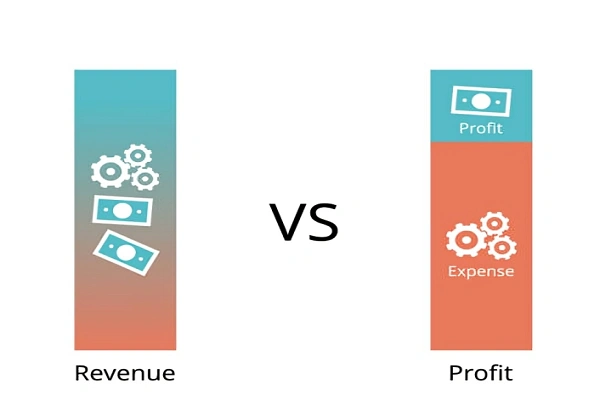
Understanding profit vs revenue explained is fundamental to making sound business decisions. While many people use these terms interchangeably, they represent distinctly different aspects of financial performance. Revenue represents the total income generated from business operations, while profit shows what remains after deducting expenses.
This distinction matters significantly because a company can generate substantial revenue yet still operate at a loss if operating costs exceed earnings. Grasping these concepts helps business owners, investors, and stakeholders assess organizational health, plan for sustainable growth, and make strategic decisions about resource allocation.
What is Revenue?
Revenue, sometimes known as the “top line,” is all the money that comes into a business from sales, services, and other activities that make money. It comes first on the income statement, before any deductions or estimates of expenses. Companies make money from basic sources like selling products and charging for services, as well as secondary sources including investment income, licensing fees, royalties, and interest earnings.
Types of Revenue
Gross revenue is the total amount of sales before any changes are made. Net sales, or net revenue, take into account returns, allowances, and discounts. Non-operating revenue is money made from things that aren’t part of the main business. Recurring revenue streams, like subscription models and membership fees, give you a steady stream of cash. Businesses keep track of their monthly recurring revenue (MRR) and annual recurring revenue (ARR) to see how stable their income is and how it is growing.
Things That Affect Revenue
Product-market fit has a direct effect on how successfully products connect with their intended markets. A strong value proposition sets items apart from those of competitors. Pricing tactics including prestige pricing, competitive pricing, and price anchoring have an effect on both sales volume and revenue per unit. Market accessibility is what makes it easy for potential customers to find and buy products through sales channels, distribution networks, and online stores.
Unique features, better quality, or more advanced capabilities that draw clients in give a business competitive strength. The availability of resources including money, qualified workers, technical infrastructure, and production capacity affects how well a company can meet market demand. External factors including economic downturns, problems in the supply chain, changes in regulations, and changes in the market can have a big impact on how much money a business makes.
What is Profit?
Profit, known as the bottom line, represents the financial gain remaining after subtracting all business expenses from revenue. It appears at the bottom of the financial statement and serves as the ultimate measure of business viability. Unlike revenue which only considers incoming money, profit accounts for cost of goods sold (COGS), operating expenses, administrative costs, overhead expenses, and financial obligations.
Types of Profit
Gross profit is the difference between sales and the direct costs of making goods or services. This number tells you how efficient production is and how much money is left over to pay for other costs. Net profit, also termed operating profit, is the difference between gross profit and fixed costs like salary, rent, utilities, and variable costs. After paying taxes, interest, and any other non-operating costs, net income is the final profit.
Things That Affect Profit
As production volume goes up, economies of scale lower the cost per unit. This makes it possible to buy in bulk and negotiate better with suppliers. Process optimization, automation, workforce training, and technology adoption all help to make operations more efficient by cutting down on waste and duplication. A good company model finds a balance between making the most money and keeping costs low.
Managing cash flow affects how much money you make by setting payment terms, collecting accounts receivable, and making the most of your working capital. Good invoicing methods, billing software, and payment reminders speed up the flow of cash. Managing the debt-to-equity ratio and coming up with refinancing plans are vital for maximizing profits because the structure of debt and the cost of interest have a direct effect on the bottom line.
Key Differences Between Revenue and Profit
There are big differences between revenue and profit when it comes to how they are calculated, what they are used for, and what they mean for business strategy. Profit looks at how well a business is doing financially and how well it runs, whereas revenue looks at how much business it does and how well it sells. Profit comprises both revenue streams and expense categories, while revenue just contains income data.
Their location on financial records shows their relationship: revenue at the top shows gross earnings, and profit at the bottom shows net outcomes. This accounting framework makes sense because it goes from sales to expenses to profits. Knowing the difference between these two things can help you evaluate performance, plan your budget, and make investment choices.
When to Pay Attention to Profit vs. Revenue
When predicting demand, keeping an eye on market trends, and figuring out how much sales growth is possible, focus on revenue. Revenue analytics can assist you figure out how many new customers you need and how much operating capacity you need. Revenue intelligence tools show you things like sales cycles, conversion rates, and trends in revenue.
Put profit first while making plans for investments, assessing sustainability, and coming up with a financial strategy. Profit measurements show how much money is available for investments and help you decide whether to expand, upgrade technology, or enter new markets. When used together, both metrics give you a complete picture of your business that you can use to judge how well it’s doing, find ways to improve it, and ensure that it remains there for a long period.
Calculating Revenue and Profit
Calculate gross revenue by multiplying units sold by price per unit and adding ancillary income. Determine net revenue by subtracting refunds, discounts, and sales returns from gross revenue. Average revenue per unit (ARPU) divides net revenue by total units, showing revenue efficiency.
For profit calculations, subtract the cost of goods sold from net revenue to find gross profit. Then deduct all operating expenses including employee compensation, facility costs, marketing expenditure, utility bills, and property taxes to arrive at net profit. These financial calculations form the basis of financial reporting and performance monitoring.
Strategies to Improve Revenue and Profit
Increase sales by keeping customers, expanding into new markets, coming up with new products, and setting prices strategically. Use methods like upselling, cross-selling, and subscription models to make more money. Improve sales effectiveness by using customer relationship management (CRM) systems, sales training, and other tools.
Increase profits by cutting costs that aren’t essential, making operations more efficient, and making the best use of resources. Use ways to save costs without lowering the quality of your products or services. Use revenue software and financial management tools to keep an eye on key performance indicators, find profit margins, and make decisions based on data.
Real-World Application and Examples
Think about a software company that makes a lot of money yet loses money because it has significant costs for development, marketing, and overhead. In contrast, a mature service business has smaller sales but better profits because it runs more efficiently and keeps costs under control. This shows that just looking at revenue numbers can’t tell you if a business is successful.
Companies that do well keep an eye on both measures via financial dashboards, performance reports, and analytical tools. They look at trends in revenue to learn about how customers act and how the market works. At the same time, they keep an eye on earnings patterns to make sure the business can keep going, has enough cash on hand, and can develop.
Final Thoughts
Understanding profit vs revenue explained empowers business owners, managers, and stakeholders to make informed decisions about growth strategies, cost control, and financial planning. Revenue indicates market acceptance and sales capability, while profit demonstrates business efficiency and financial sustainability.
Both metrics working together provide the complete picture needed for strategic planning, competitive positioning, and long-term success. By monitoring these financial indicators, businesses can balance revenue growth with profit optimization to achieve sustainable business development.